Tattoos often carry personal meaning, but over time, situations, preferences, or professional requirements may change. Many people today seek safe and effective solutions to remove unwanted tattoos without causing permanent skin damage. With advancements in aesthetic technology, laser tattoo removal has become one of the most reliable and widely preferred methods.
Understanding the laser tattoo removal benefits and process helps individuals set realistic expectations and make informed decisions. This blog explains how laser tattoo removal works, its advantages, safety aspects, number of sessions required, and factors that influence results.
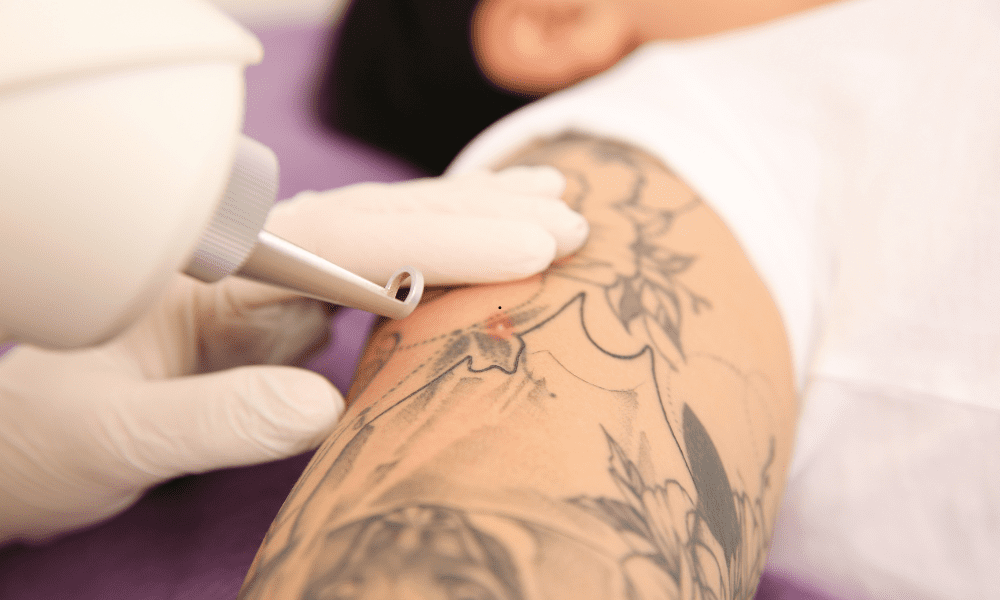
Laser tattoo removal is a non-invasive aesthetic procedure that uses high-intensity laser light to break down tattoo ink particles embedded in the skin. The laser energy targets the pigment without harming the surrounding skin tissue.
Once the ink particles are broken down into smaller fragments, the body’s natural immune system gradually removes them over time. This makes laser technology an effective method for reducing or completely removing tattoos.
Earlier tattoo removal methods included dermabrasion or surgical excision, which often caused scarring and prolonged healing. Laser technology has transformed tattoo removal by offering better precision and safer outcomes.
Reasons laser tattoo removal is preferred:
This makes laser treatment suitable for most tattoo types and skin areas.
Laser tattoo removal works by targeting ink pigments at a molecular level. Different wavelengths are used to treat various ink colours, making it effective for both dark and coloured tattoos.
Over multiple sessions, visible fading occurs as ink particles are progressively cleared from the skin.
When performed by trained professionals, laser tattoo removal is generally safe. Advanced laser systems allow controlled energy delivery, reducing the risk of burns or excessive skin damage.
Safety protocols and customised settings based on skin type ensure better protection and results.
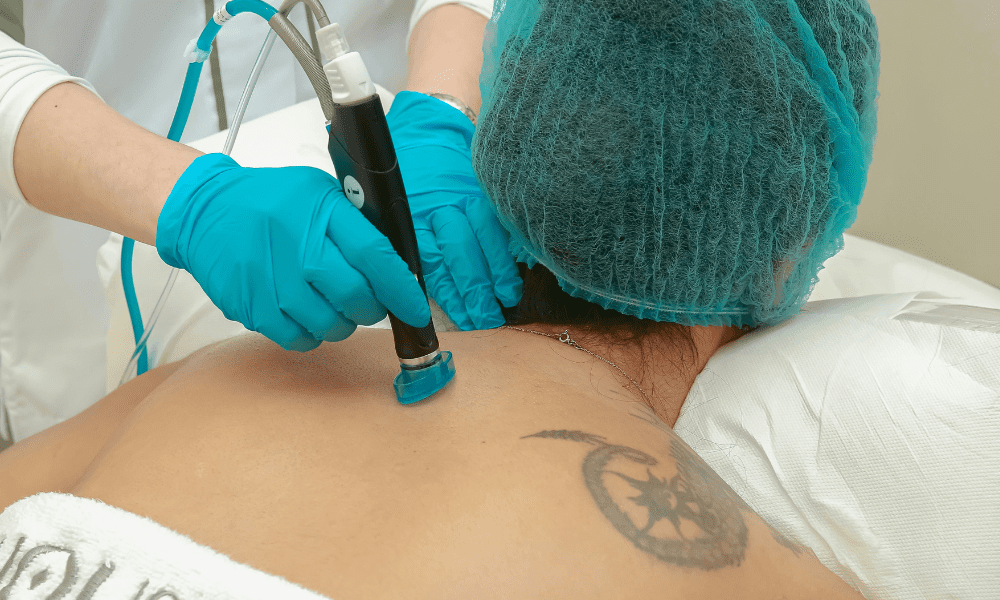
One of the major concerns with tattoo removal is scarring. Laser technology significantly lowers this risk compared to older methods, provided proper aftercare instructions are followed.
Temporary redness or sensitivity may occur but usually resolves with time.
Laser tattoo removal can be performed on small, medium, and large tattoos. It is also suitable for various body areas, including arms, legs, back, shoulders, chest, and neck.
Treatment planning is customised based on tattoo size, depth, and ink density.
Post graduation prepares professionals for leadership positions such as:
These roles involve managing teams, maintaining quality standards, and ensuring smooth operations.
A professional consultation is essential before starting treatment. During this stage, the specialist evaluates:
Based on this assessment, a customised treatment plan is created.
Tattoo removal typically requires multiple sessions because ink particles are embedded at different skin depths. Factors affecting session count include:
Sessions are spaced weeks apart to allow proper healing.
The laser delivers short pulses of energy to the tattooed area. Clients may experience mild discomfort, often described as a snapping sensation. Cooling techniques and protective measures are used to enhance comfort.
Post-treatment care is crucial for optimal results. Aftercare may include:
Proper aftercare supports healing and reduces side effects.
Laser tattoo removal is considered safe when performed by trained professionals using approved technology. However, safety depends on:
Temporary redness, swelling, or mild blistering may occur but usually resolves with care.
Laser tattoo removal is suitable for:
A consultation helps determine suitability and expectations.
Several factors influence how effectively a tattoo can be removed:
Understanding these factors helps set realistic outcomes.
With consistent sessions and proper care, laser tattoo removal can significantly reduce or completely remove tattoos. Some tattoos may leave faint shadows, depending on ink type and depth.
Maintenance is generally minimal once treatment is completed, provided skin care instructions are followed.
If you are planning to remove an unwanted tattoo safely and are exploring professional tattoo removal in Pune, choosing a clinic that uses advanced laser technology, follows strict safety protocols, and offers personalised treatment planning can help you achieve effective and satisfying results.
1194/14 Madhuvrindawan Beside Srinath Plaza Dyaneshwar paduka chowk fc college road Pune Shivaji Nagar 411005
+91 9028235544
Subscribe And Get Discount
WhatsApp us